

So Many Regulations
Builders need to navigate a maze of government regulations, but homeowners can help
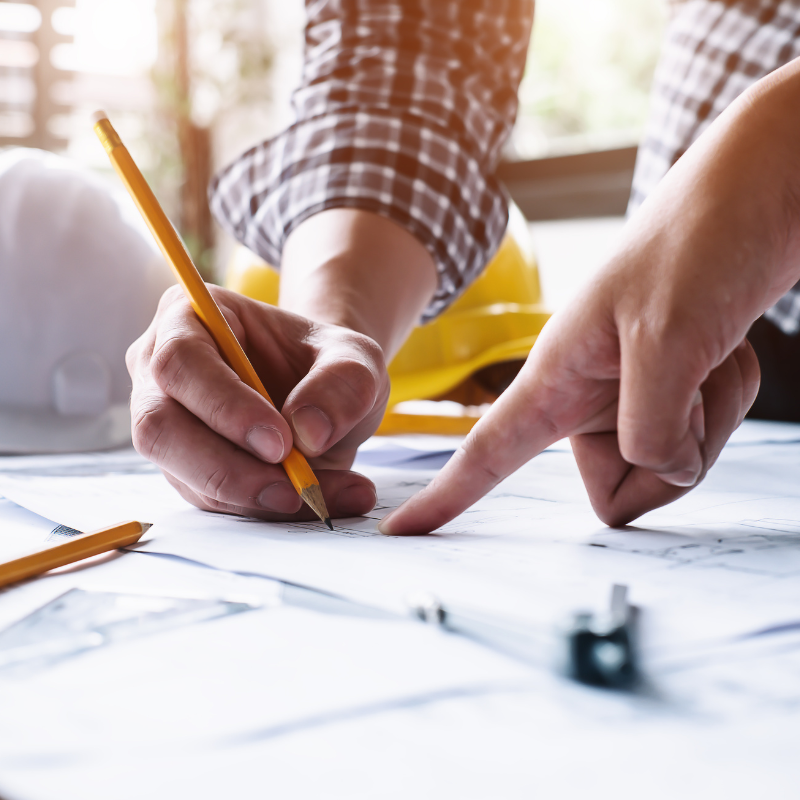
Need a professional builder who stays current on government regulations?
A successful building process is a predictable one, with no unpleasant surprises. Predictability comes from good planning, as well-planned projects tend to stay on budget and on schedule. Good planning includes ensuring the home meets all applicable code and zoning requirements.
The consequences of not meeting these requirements can range from a minor inconvenience to a costly nightmare.
For instance, if the inspector points out that the foundation contractor didn't install enough anchor bolts (the bolts that secure the house to the foundation) or place them in the wrong locations, that contractor will have to return and make the necessary corrections before framing can begin. That might hold up progress for a day.
On the other hand, if the framing inspector notes that the roof exceeds the maximum allowable height, then you're looking at a more costly and time-consuming remedy.
These are just two of hundreds of possibilities. That's because code and zoning requirements seem to grow each year. Depending on the city or town, the project may require sign-offs from various departments, including the zoning board, the building department, the health department, the fire department, the architectural review board, and even the homeowners ’ association.
You may need permits for sitework, tree removal, water and sewer systems, foundation, framing, electrical wiring, mechanical equipment, and gas piping. You may need a right-of-way permit if work will spill over to the sidewalk, or a traffic control permit if you need to park a dumpster on the street or bring in a crane. And don’t forget a utility permit if that crane will require temporarily moving power lines.
To avoid delays at any of these stages, the builder must understand all the regulations enforced by the jurisdiction in which the home is being built. The builder must make sure the home plans and equipment specifications take those regulations into account and also manage the job to ensure that workers and subcontractors follow the plans and specifications to a T.
Speaking of plans, they can sometimes be a point of stress between the builder and the homeowner. If the homeowners already have a set of plans, then the first thing the builder will do is make sure they meet code, because revisions can be costly and time-consuming.
This is where homeowners can make things easier for everyone. The best way to avoid unnecessary delays and expense is to choose your builder before designing your home. Doing this means the builder and architect can work together to ensure that the plans are drawn to meet all local requirements. (Getting a builder involved at the design stage has other benefits, such as ensuring that your budget will be enough to complete the home, but that's another topic.)
The point here is that regulations can be a minefield. You need someone who has a good relationship with the local building department, someone who understands the regulations and can navigate them without incident. It's one of the many reasons to hire an experienced professional to build your home.
Warm Regards,
Tim Alexander