

Want a builder who helps you manage your Construction allowances?
Custom home builders typically encourage clients to finalize all selections before construction begins, and this approach serves the homeowner's interests just as much as the builder's. When decisions get pushed to mid-construction, they often happen during the most stressful phases of the building process. Choices made under pressure frequently lead to regret down the road.
Why Do Builders Prefer Pre-Construction Selections?
That said, many homeowners struggle to visualize finishes such as flooring materials, lighting, and tilework until they can physically walk through their framed home. Construction allowances acknowledge this challenge. They provide homeowners with flexibility to make certain selections during the build while maintaining project timelines and budgets.
What Exactly Is a Construction Allowance?
Think of a construction allowance as functioning like a prepaid debit card. For example, if a builder and client establish a $20,000 allowance for kitchen cabinetry and countertops, the homeowners have complete freedom in how they allocate those funds. They might select moderately-priced solid surface counters paired with custom cabinetry, or choose simpler cabinet designs to free up budget for premium stone surfaces. The key requirement is staying within the $20,000 limit.
How Do Construction Allowances Work?
Similar to a prepaid card, allowances come with deadlines for making selections. However, there's a critical distinction: an unused prepaid card means lost funds, while missed allowance deadlines don't erase the budget—but they do disrupt construction schedules and potentially increase overall project costs.
Which Items Typically Fall Under Allowances?
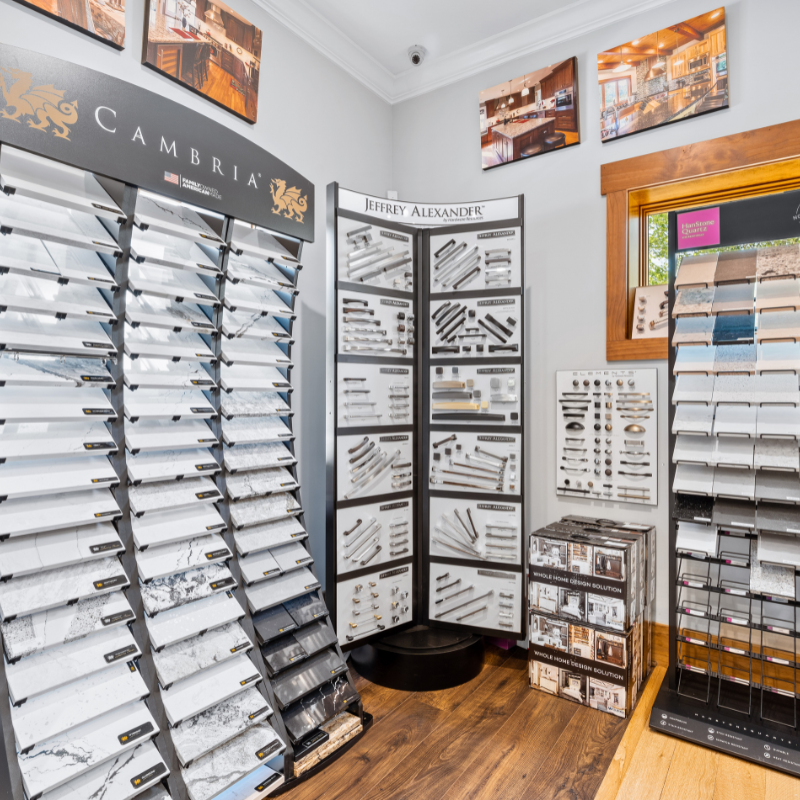
Given their capacity to create complications, experienced builders typically restrict allowances to select categories. While these vary among companies, they commonly include lighting fixtures, plumbing hardware, entry doors, tile work, and floor coverings. During initial planning, builders recommend reasonable allowance amounts based on the home's overall budget. Clients wanting to adjust these allocations up or down should communicate this during the planning phase.
Why Must Allowance Items Come From Builder-Approved Suppliers?
Most builders require that allowance purchases come from their established vendor relationships and that installation be handled by their trusted subcontractors. This policy exists for important reasons: builders need confidence in product quality from known sources, and maintaining established supplier relationships is essential for cost management. This prevents scenarios like a client selecting European-made carpeting in metric dimensions, which creates excessive waste (billed to the homeowner) and requires a twenty-week lead time for a house completing in five weeks.
How Can Homeowners Maximize Their Allowance Budget?
When selecting multiple similar items—such as plumbing fixtures or light fixtures—budget-minded clients benefit from style consistency. Using different faucet designs in each bathroom increases expenses, while standardizing selections maximizes purchasing efficiency.
Who Benefits From Clear Allowance Policies?
Ultimately, clearly-defined allowance guidelines benefit both homeowners and builders by managing costs, preserving construction schedules, and minimizing stress for all parties. Experienced clients who've built homes previously recognize these advantages, which is why they typically seek builders with transparent allowance policies.