

Building for the Future: How Modern Construction Science Creates Storm-Ready Homes
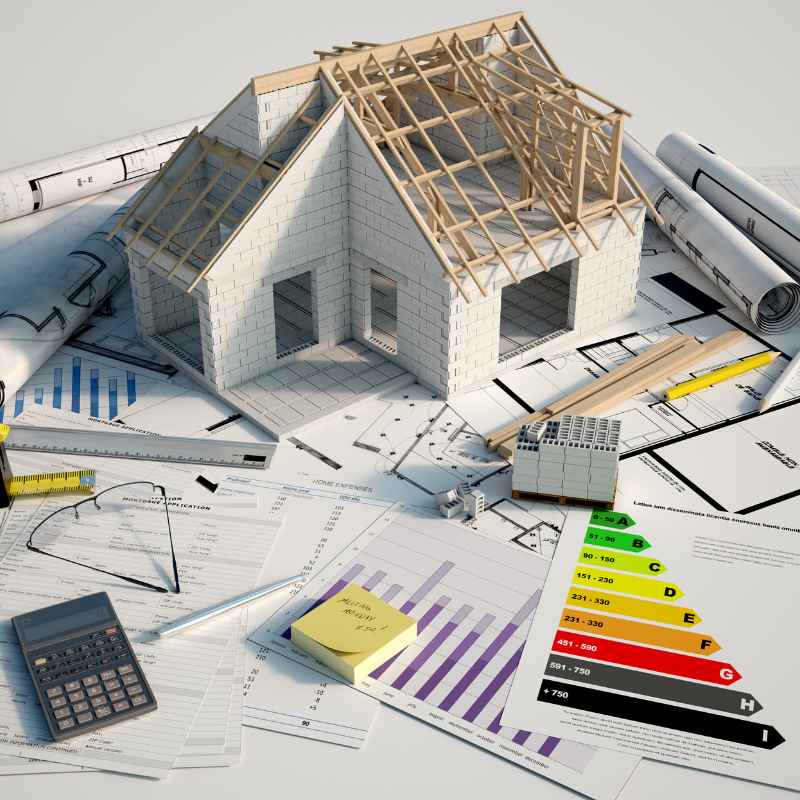
Is your home builder up-to-date on the latest in building science?
Why does resilient construction matter for homeowners today?
Severe weather events and unexpected power failures have become increasingly common nationwide. Whether you're facing hurricane-force winds battering the Atlantic coast, atmospheric rivers causing widespread outages in California, summer monsoons leaving Phoenix residents in the dark, or winter storms paralyzing the Northeast, every region faces its own challenges. Even technological failures can leave millions without electricity—the 2003 software glitch that darkened homes from Ontario to New Jersey affected 11 million people.
A well-designed custom home won't prevent power outages, but it can remain comfortable far longer when the grid goes down. This capability stems from thoughtful application of modern building science principles.
What is passive survivability in home construction?
According to Alex Wilson, president of the Resilient Design Institute in Brattleboro, Vermont, "passive survivability" refers to designing and building homes that stay livable during extended power losses. This approach doesn't rely on backup generators or solar panels (though those can certainly help). Instead, it focuses on creating a building envelope so efficient that the home naturally maintains comfortable temperatures.
Top-tier builders and remodelers routinely incorporate these strategies into their projects, using advanced construction techniques that have proven effective across diverse climate zones.
How do energy-efficient features improve storm resilience?
The foundation of a resilient home lies in superior insulation, meticulous air sealing, and strategic window placement. High R-value insulation in walls, roofs, and ceilings creates a thermal barrier that keeps conditioned air inside. Comprehensive air sealing eliminates drafts and heat loss. High-performance windows provide passive solar heating while preventing energy waste.
These improvements can maintain livable indoor conditions for days without electricity. For homeowners who want electrical backup during outages, a 10 kWh home battery can power essential systems—refrigerator, heating or cooling equipment, and critical circuits—for up to 12 hours. Solar panels and generators offer additional options for extended resilience.
What structural features protect homes during extreme weather?
Beyond energy efficiency, truly resilient construction incorporates robust structural and moisture management details. Hardware tie-downs and plywood shear panels strengthen roof and wall connections, helping structures withstand high winds from hurricanes, tornadoes, and severe storms. Advanced waterproofing systems protect building assemblies from water intrusion during intense rain, snow, and ice events.
In areas prone to windborne debris, impact-resistant windows provide an extra layer of protection. While these specialized windows represent a significant investment, they dramatically reduce the risk of breaches that allow destructive wind and water penetration.
Do resilient construction methods provide benefits beyond storm protection?
The advantages of building science-based construction extend well beyond emergency preparedness. Superior waterproofing translates to lower maintenance expenses over the home's lifetime and eliminates conditions that foster mold and mildew growth. Quality insulation and air sealing deliver monthly energy savings while creating a quieter, more comfortable indoor environment year-round.
These ongoing benefits mean homeowners enjoy returns on their investment, whether or not they ever experience a power outage or severe storm.
Why does building science expertise matter?
Here's the challenge: superficial knowledge of building science can actually create problems rather than solve them. Installation crews must understand manufacturer-specific flashing requirements for windows and doors, as these details vary significantly between brands. Insulation and air sealing strategies must be implemented correctly to allow moisture to escape rather than becoming trapped within wall and roof assemblies—and the right approach depends heavily on local climate conditions.
Construction science has evolved rapidly in recent years. The principles that worked a decade ago may not represent best practices today. That's why choosing a builder who actively invests in continuing education and stays current with industry advances is essential for achieving true resilience.